→ All Experiences
The Lamu Archipelago
Lamu is a destination of rich history and culture. Lamu Town is a UNESCO World Heritage Site and the oldest, best preserved living Swahili settlement in East Africa, with more historical sites than the rest of the region combined, several museums, the Takwa ruins on Manda Island, and Siyu Fort and the Shanga ruins on Pate.
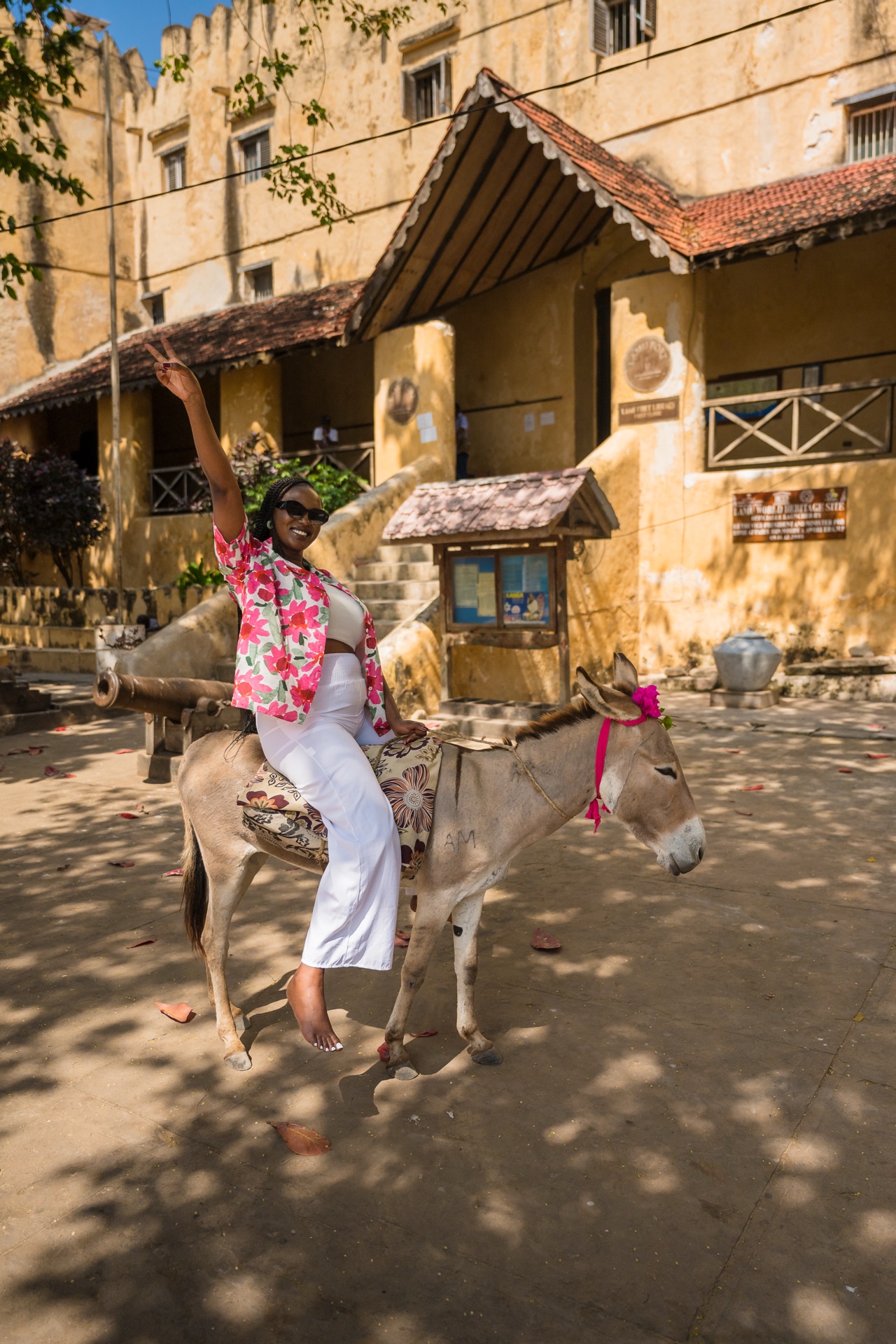
Lamu Old Town
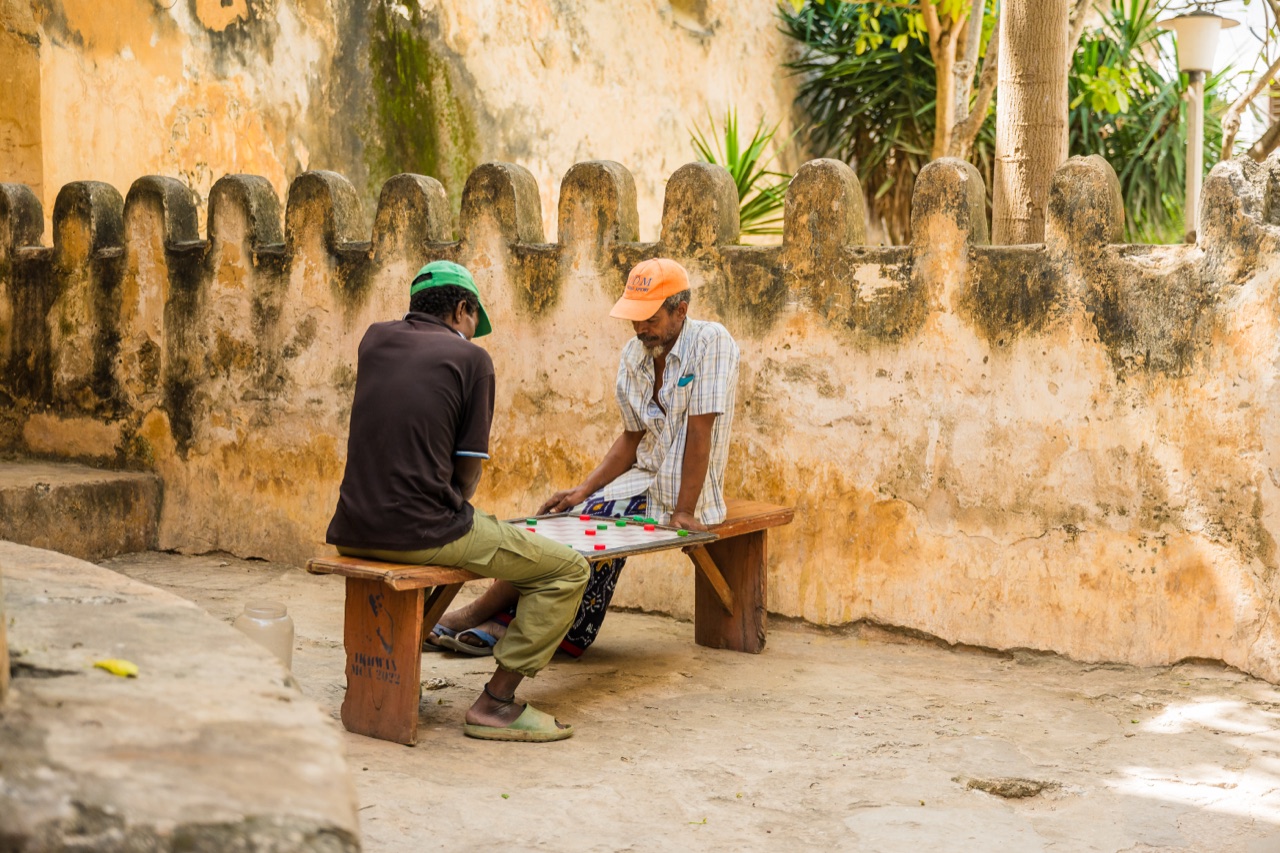
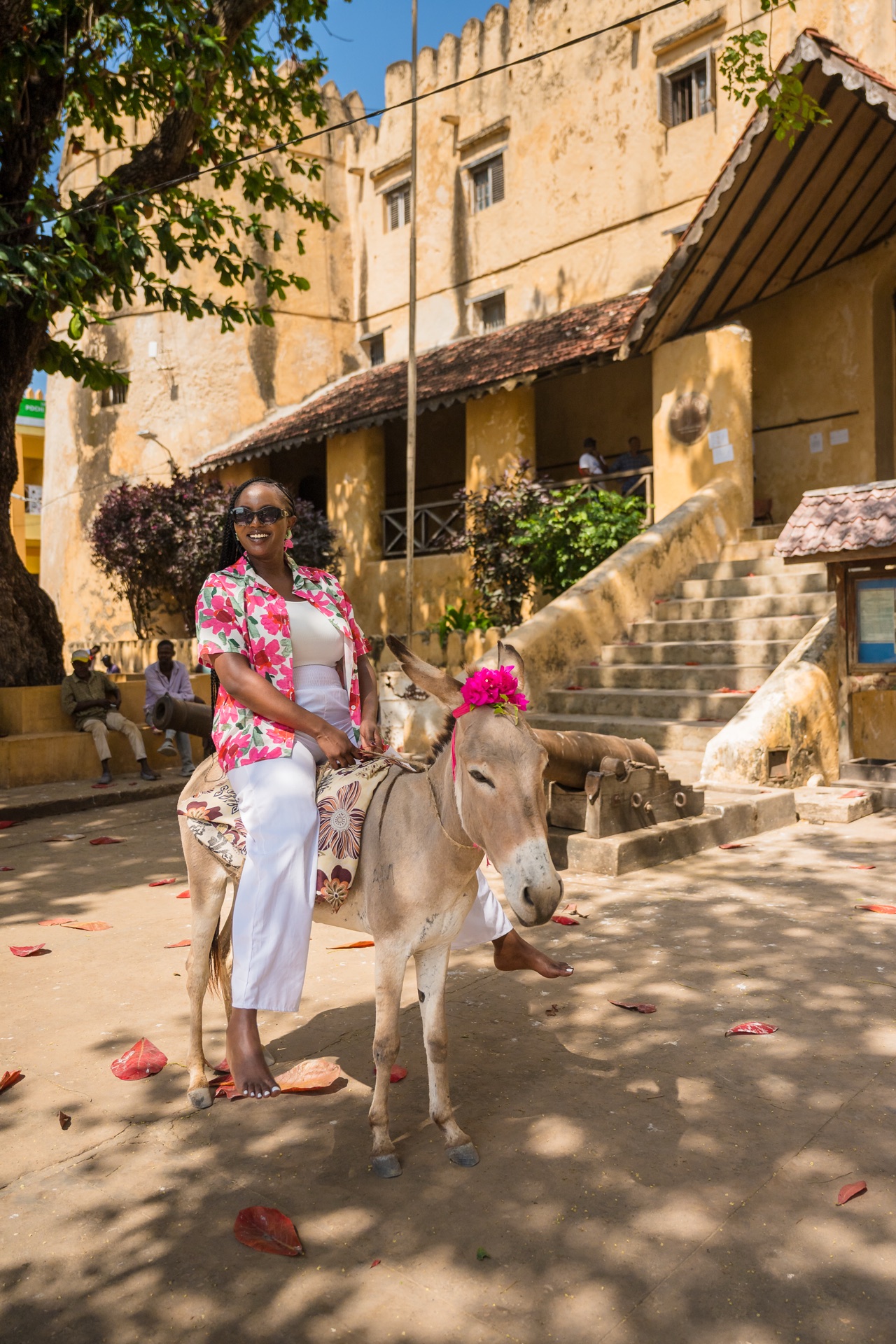
Inscribed by UNESCO in December 2001, Lamu Old Town is the oldest and best preserved Swahili settlement in East Africa, built in coral stone and mangrove timber and known for its inner courtyards, verandas and elaborately carved wooden doors. The highlights are the fishing and vegetable markets, Lamu Fort, Lamu Museum and the stone town itself. A half day trip, best in the morning when the markets are busy, with a guide to accompany you.
Book Activity→Matondoni Village
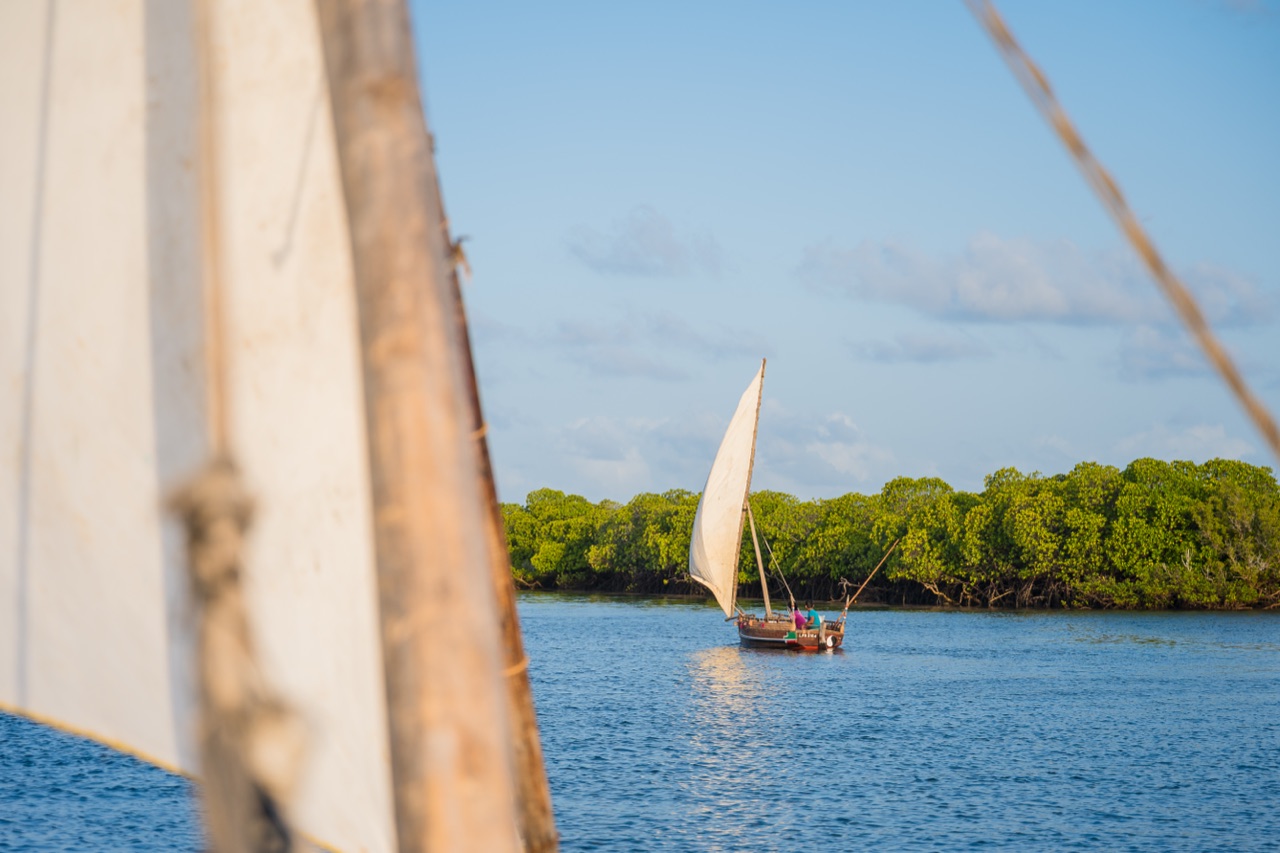
Matondoni is a local fishing village and dhow building site on the western side of Lamu Island, about 8 km from Lamu Town, famous for traditional handicrafts such as weaving straw mats and making coconut rope. It can be organized as a half day trip by motor boat or on our traditional Mozambique style dhow, and combined with a visit to Lamu Town.
Book Activity→The Takwa Ruins
On the south side of Manda Island, the Takwa settlement was founded around 1500 and abandoned around 1700. The Great Mosque is relatively well preserved, along with a Pillar Tomb dated 1681 to 1682. A half day trip by speed boat or dhow, about 30 minutes depending on the tide. For the more active, we also organize a mountain bike trip to Takwa from the hotel, roughly 10 km each way, taking 30 to 40 minutes.
Book Activity→Pate Island
The largest island in the archipelago, lying between Manda and Kiwayu, Pate holds centuries of Swahili history across four main sites. Faza Town, on the north coast, dates to the 13th century; nearly destroyed by the Pate army and again by the Portuguese in 1587, it is now the island's administrative centre. Pate Town, founded by refugees from Oman in the 8th century and re-founded by the Nabahani family in 1204, enjoyed an 18th-century "Golden Age" of fine arts and grand plaster-worked houses — until the failed 1813 Battle of Shela, after which its population fell from 7,000 to just 300 by 1892.
Siyu Fort, opposite Siyu Town across the tidal channel, is the only fort on the coast a town built for itself, rather than one raised by foreigners. Shanga, on the south-east coast, is an important archaeological site excavated over eight years from 1980, settled from the 8th century and abandoned between 1400 and 1425. A full day trip planned around high tide, with a cooler box of drinks and lunch.
Book Activity→